15 July 2026/
No Comments
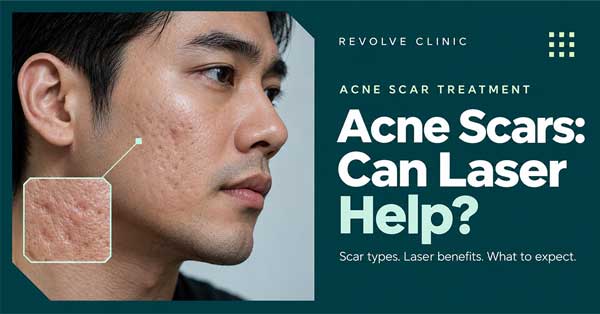
Acne scars often persist long after breakouts, as they involve structural skin changes that typical skincare cannot address. Fractional laser...
Hey there! Have you ever felt like you’re the only one dealing with acne? Well, you’re definitely not alone. In fact, did you know that acne affects approximately 80% of people between the ages of 11 and 30?
That’s right – it’s one of the most common skin conditions out there. But don’t worry, we’ve got your back. In this article, we’re going to dive deep into the world of acne and acne scars, exploring everything from what causes those pesky pimples to how you can effectively treat and prevent those lingering scars. So, whether you’re a teenager struggling with breakouts or an adult dealing with the aftermath of acne, we’ve got the information you need to tackle this skin condition head-on. Let’s get started!
Alright, picture this: your skin has these tiny openings called pores, and they’re responsible for releasing oil and sweat to the surface. Sounds great, right? Well, sometimes these pores get clogged with bacteria, oils, and dead skin cells, leading to acne. Hormones, stress, and even environmental factors can also play a role in triggering acne.
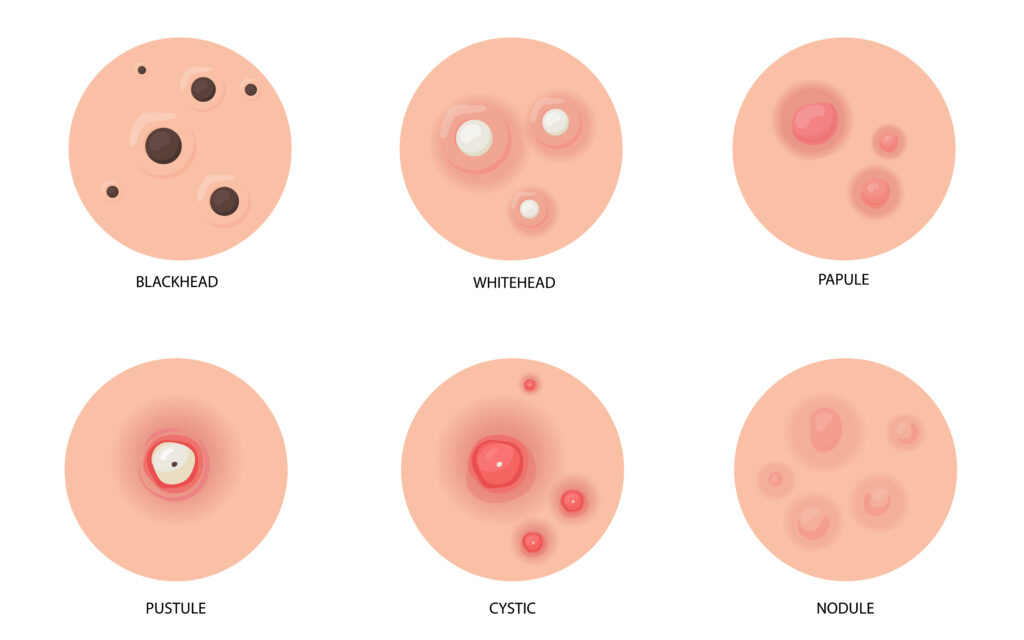
Now, not all pimples are created equal. You’ve got your whiteheads, blackheads, papules, pustules, nodules, and cysts. Each type varies in appearance and severity, with some being more painful or prone to scarring than others.
So, here’s the deal: when your skin gets inflamed from acne, it can lead to scarring. Sometimes the scars are raised, and other times they create pits or indentations in the skin. It all depends on how your unique body responds to the wound and the healing process.
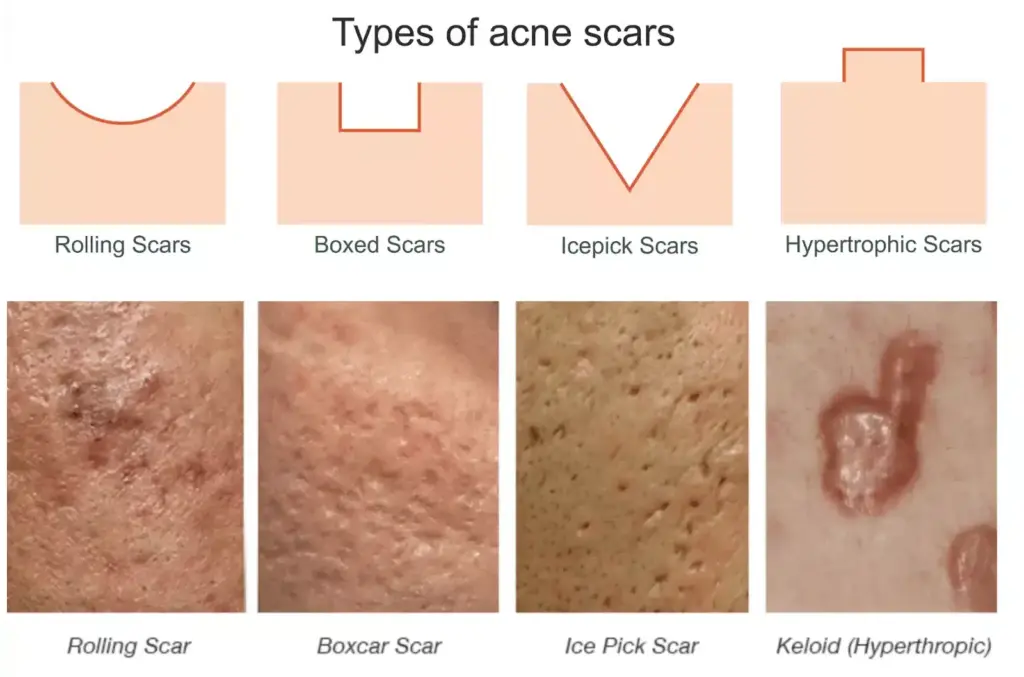
Acne scars come in different flavors. You’ve got your ice pick scars, rolling scars, boxcar scars, and even hypertrophic or keloid scars. Each type has its own distinct characteristics and challenges when it comes to treatment.
If you’re not sure whether those bumps are acne or something else, it’s time to pay a visit to a dermatologist. They’ll take a close look at your skin and determine whether it’s acne or another skin condition. The same goes for acne scars – a professional diagnosis is key to getting the right treatment.
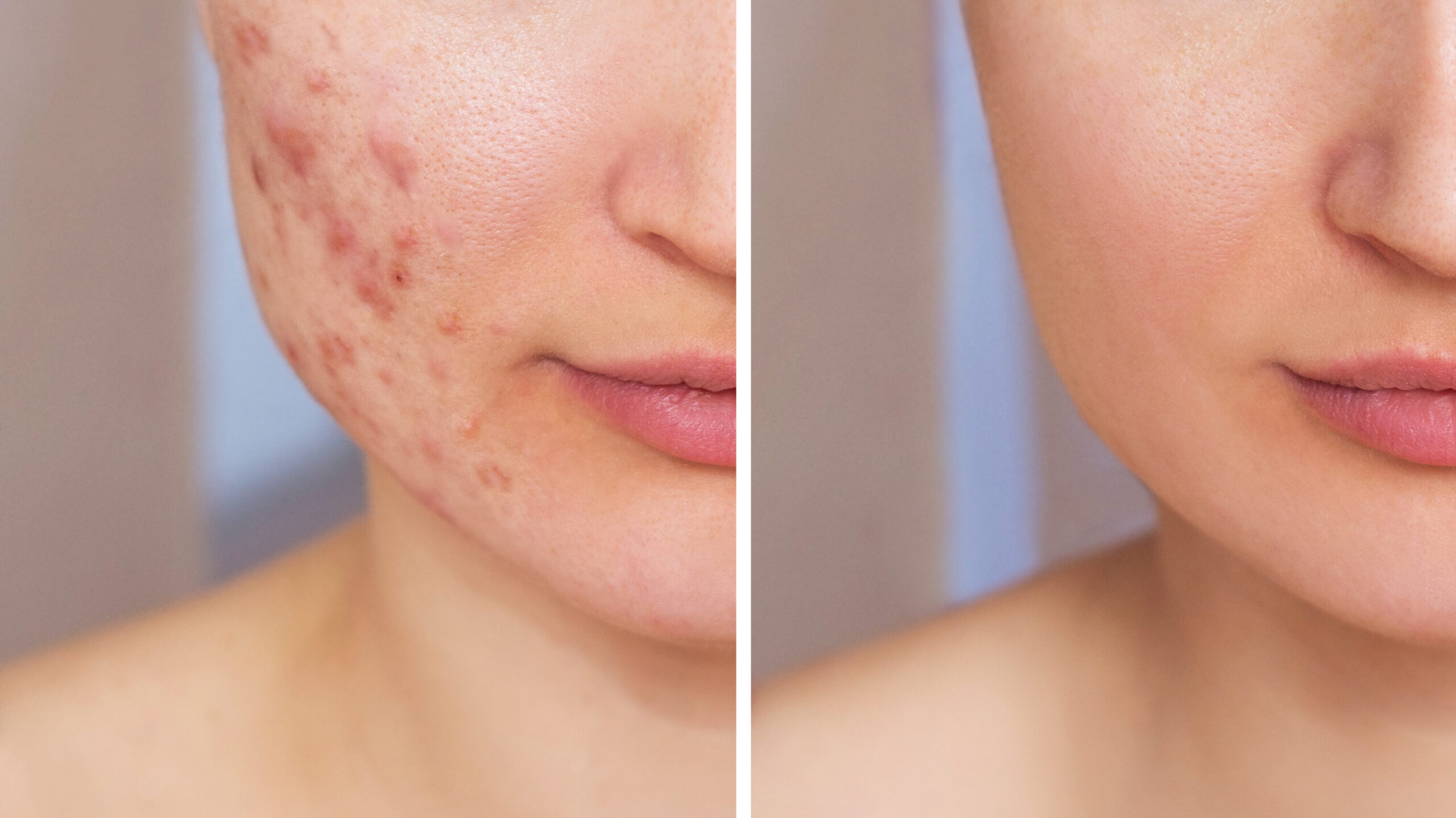
Alright, let’s get down to business. When it comes to treating acne scars, there are plenty of options out there. From over-the-counter creams to in-office procedures like chemical peels and laser resurfacing, there’s something for everyone.
In some cases, minor surgical procedures might be necessary to tackle those stubborn scars. Don’t worry, though – these procedures are usually done in your dermatologist’s office and can help smooth out those indentations or remove scar tissue altogether.
The best way to deal with acne scars? Prevent them from forming in the first place! Treat your acne promptly, avoid picking or scratching at your skin, wear sunscreen to protect against darkening scars, and, most importantly, don’t be afraid to seek professional help early on.
So, there you have it – everything you need to know about acne and acne scars. Remember, dealing with acne can be frustrating, but with the right knowledge and treatment, those scars don’t have to stick around forever. Stay proactive, be patient, and don’t hesitate to reach out to a dermatologist if you need help along the way. You’ve got this!
Alternatively, you may come to our clinics in Wangsa 118, Wangsa Maju to make an appointment. Please contact us for further information:
WhatsApp: Click HERE
Call: +6012-9191-656
Email: info@revolveclinic.com
Acne scars often persist long after breakouts, as they involve structural skin changes that typical skincare cannot address. Fractional laser...
Chemical peels are an effective acne treatment in Malaysia, especially for those struggling with persistent breakouts and dark marks. Unlike...
You may have tried whitening serums, vitamin C, and perhaps even IPL devices at home, but the dark spots on...